Sourcing reliable hauling capacity across major South African commodity networks—such as the Mpumalanga coal corridors, the Northern Cape manganese routes, or the Limpopo chrome belts—demands a rigorous procurement strategy. For mining houses, logistics managers, and tier-one contractors, bulk commodity haulage is highly vulnerable to supply chain disruption, mechanical failure, and regulatory non-compliance.
Deploying unverified side-tipper combinations or substandard off-highway yellow metal directly threatens production targets, increases demurrage overheads, and risks significant financial penalties. To protect site margins and maintain strict operational workflows, logistics teams must employ an audit-driven sourcing framework designed specifically for the local mining ecosystem.
1. Verify Load-and-Haul Fleet Mechanical Reliability
The extreme duty cycles of mining logistics require high-performance configurations. Sourcing teams must audit the structural and mechanical specifications of a vendor's fleet to ensure they match the exact density and abrasion characteristics of the run-of-mine (ROM) ore or processed concentrate being moved.
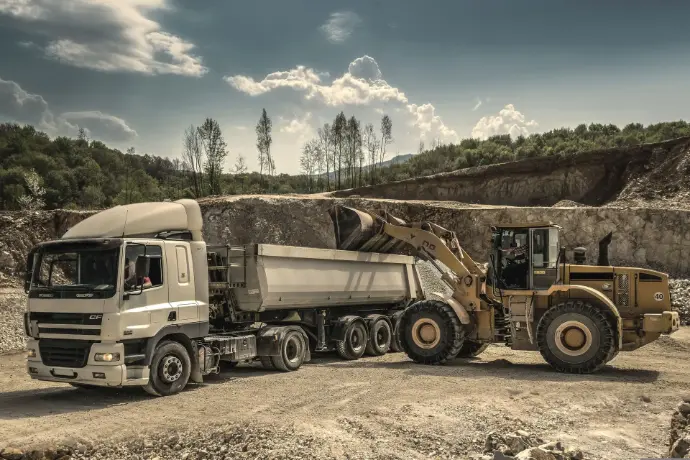
- Chassis and Bin Specifications: Side-tipper configurations (typically 34-ton side-tipper interlinks) must feature heavy-duty steel bodies, high-tensile steel bins, and reinforced chassis rails to withstand high-impact top-loading from large excavators and front-end loaders.
- Mechanical Integrity Audits: Vendors must submit standardized preventative maintenance logs detailing hydraulic cylinder tests, suspension bush inspections, and brake lining thickness reports. This prevents catastrophic component failure on demanding public freight routes and haul roads.
- Trailer Hydraulics Verification: Ensure tipping mechanisms utilize high-pressure hydraulic cylinders capable of rapid cycle times without risking mechanical binding or operational fluid leaks on tipping pads.
2. Enforce Strict Legal Compliance and Mine-Spec Standards
Securing access to pit environments and major offloading terminals requires adherence to strict health and safety protocols. Vehicles failing to meet mine-spec configurations face immediate gate rejection, resulting in costly standing time and logistical backlogs.
- Mine-Spec Onboarding Requirements: Tipper trucks entering mine boundaries must be equipped with commercial safety items, including high-visibility reflective taping, active rollover protection systems (ROPS), automated reverse alarms, functioning isolation switches, and validated fire suppression equipment.
- Goods in Transit (Git) Insurance: Sourcing policies must require comprehensive, high-value Git insurance covering the specific commodity type. Policies must be actively validated with the insurer to safeguard against transit losses from accidents, spills, or cargo syndicates.
- Operator Qualifications: Drivers must possess valid Professional Driving Permits (PrDP), medical fitness certificates clearing them for heavy industry environments, and documented safety inductions specific to the loading and offloading terminals.
3. Leverage Automated Marketplaces for Verified Fleet Capacity
Traditional manual sourcing via fragmented owner-operator networks frequently introduces operational risk, variable pricing structures, and compliance vulnerabilities. Scalable material logistics requires a centralized procurement solution.
Utilizing the automated marketplace at Acemec Fleet enables mining operations to source pre-vetted side-tipper links and heavy bulk transport capacity on demand. The platform streamlines vendor onboarding by verifying active Git coverage, operator training records, and machine licensing compliance prior to dispatch.
By managing competitive live-bidding via smart RFQ workflows, the platform matches logistics requirements with low-hour, site-ready fleets, helping procurement teams optimize cost-per-ton metrics across active mining corridors.
4. Insulate Transactions via Structured Escrow Protocols
Financial transparency and reliable settlement structures are critical when managing large-scale, multi-vehicle hauling contracts. Cash flow delays or payment disputes between contractors and primary haulers can trigger sudden wildcat strikes or service disruptions, stranding valuable product on stockpiles.
To mitigate counterparty risk, shipping agreements should utilize the integrated financial frameworks available at the Acemec Market Platform. Utilizing TradeSafe Escrow systems ensures that working capital is held securely in independent structures, with funds disbursed to transport vendors only after digital Proof of Delivery (POD) documents are uploaded and verified. This transparent settlement process eliminates ledger disputes, ensures stable cash flows for verified haulers, and secures reliable long-term capacity for mining houses.