The cold chain logistics sector in South Africa faces a unique set of operational vulnerabilities. Distributing temperature-sensitive cargo—ranging from life-saving pharmaceuticals to perishable agricultural exports—demands strict environmental management. Fluctuating regional microclimates, high ambient summer temperatures, urban heat islands, and unexpected transit delays regularly threaten product integrity across major freight corridors.
Failing to maintain a stable climate microenvironment leads to immediate consequences, including compromised product quality, regulatory fines, and costly shipment rejections. Implementing robust operational protocols alongside automated telemetry is essential to secure supply chain integrity from warehouse to delivery point.
1. Implement Pre-Chilling Protocols
A common vulnerability in temperature-controlled transport is loading warm cargo into a cold trailer, or placing chilled products into an uncooled refeeer unit. Refrigerated vehicle cooling units are engineered to maintain an established temperature during transit, not to lower the temperature of warm cargo.
- Pre-Cool Vehicles: Reefers must be pre-chilled to the contractually specified transit temperature before loading begins.
- Verify Internal Cargo Temperature: Core product temperatures must be audited and recorded prior to cross-docking or loading.
- Staging Area Management: Minimize the time sensitive goods spend on ambient-temperature loading bays to prevent initial thermal spikes.
2. Optimize Airflow and Storage Configurations
Improper air circulation inside a refrigerated container creates localized heat pockets, even if the primary cooling unit is running efficiently. Air must circulate uniformly around all sides of the cargo to counter ambient heat transfer through the floor, walls, and ceiling.
[Cooling Unit Discharge] ➔ [Top Airspace] ➔ [Downward Wall Flow] ➔ [Floor Channels] ➔ [Unit Return]
- Maintain Pallet Clearances: Pallets should be spaced away from the rear doors and side walls to allow downward air travel.
- Clear the Red Line: Ensure cargo is stacked below the container's designated red ceiling line to prevent blocking the primary air discharge chute.
- Utilize T-Floor Profiles: Use trailers equipped with deep T-rail aluminum flooring to allow unrestricted airflow underneath the pallets.
3. Secure Multi-Sensor Environmental Telemetry
Relying entirely on a refrigeration unit's single built-in return-air sensor leaves fleets vulnerable to undetected microclimate variations. Comprehensive cold chain management requires independent, multi-point tracking hardware positioned directly alongside the cargo.
Deploying dedicated asset monitoring through Acemec Fleet enables fleet managers and logistics providers to maintain absolute cargo oversight. By combining real-time GPS telemetry with automated alerts, the platform delivers continuous visibility into vehicle performance and ambient route conditions.
┌────────────────────────────────────────────────────────┐
│                  REFRIGERATED TRAILER                  │
│                                                        │
│  [Teltonika EYE Beacon/Sensor] ──(BLE Wireless)──┐     │
│  (Placed Directly on Cargo Pallet)               │     │
│                                                  ▼     │
│                                        [Acemec Gateway]│
│                                        (GPS Telemetry) │
└──────────────────────────────────────────────────┬─────┘
                                                   │ (Cellular / 4G)
                                                   ▼
                                         [Cloud Dashboard]


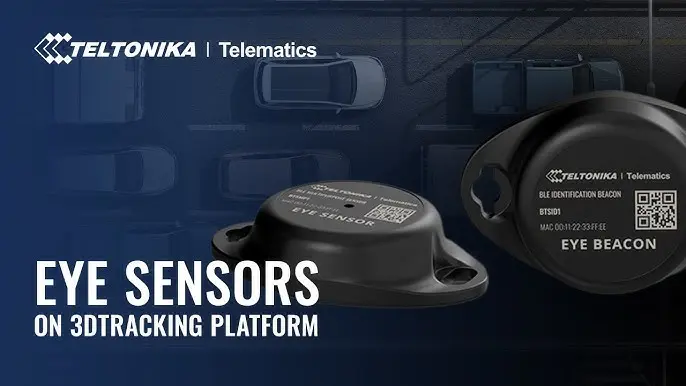
To provide precision tracking within this ecosystem, vehicles utilize the Teltonika EYE Beacon and Sensor system. This advanced hardware addresses the primary vulnerabilities of cold chain transit through key functionalities:
- Wireless Bluetooth Low Energy (BLE) Deployment: Operating as compact, battery-powered units, Teltonika EYE Sensors are affixed directly to individual pallets or storage crates without complex wiring. They communicate wirelessly with the vehicle’s central gateway tracker.
- Continuous Temperature and Humidity Logging: The sensor captures precise environmental data across an operating scale of -20°C to +60°C. It transmits live metrics every few seconds while leveraging internal storage backup to prevent data loss during cellular signal drops.
- Integrated Door and Motion Security: Alongside thermal monitoring, the hardware features built-in accelerometers and magnetic sensors. This allows the system to detect and log trailer door opening and closing events in real time, preventing unauthorized access and documenting any external thermal disruptions.
4. Establish Rigorous Compliance Auditing
South African logistics compliance mandates transparent, verifiable temperature trails, particularly for pharmaceutical lines or high-value cold chain exports heading to international markets.
- Maintain Immutable Digital Logs: Telematics platforms compile continuous, automated data records that fulfill EN12830 compliance standards. This removes manual error and provides audit-ready data sheets for regulatory bodies.
- Configure Real-Time Exception Alerts: Automated platforms allow managers to set tight temperature thresholds. If an asset drifts outside its designated parameters, an instant notification is dispatched via the dashboard, allowing dispatch teams to intervene before cargo spoils.